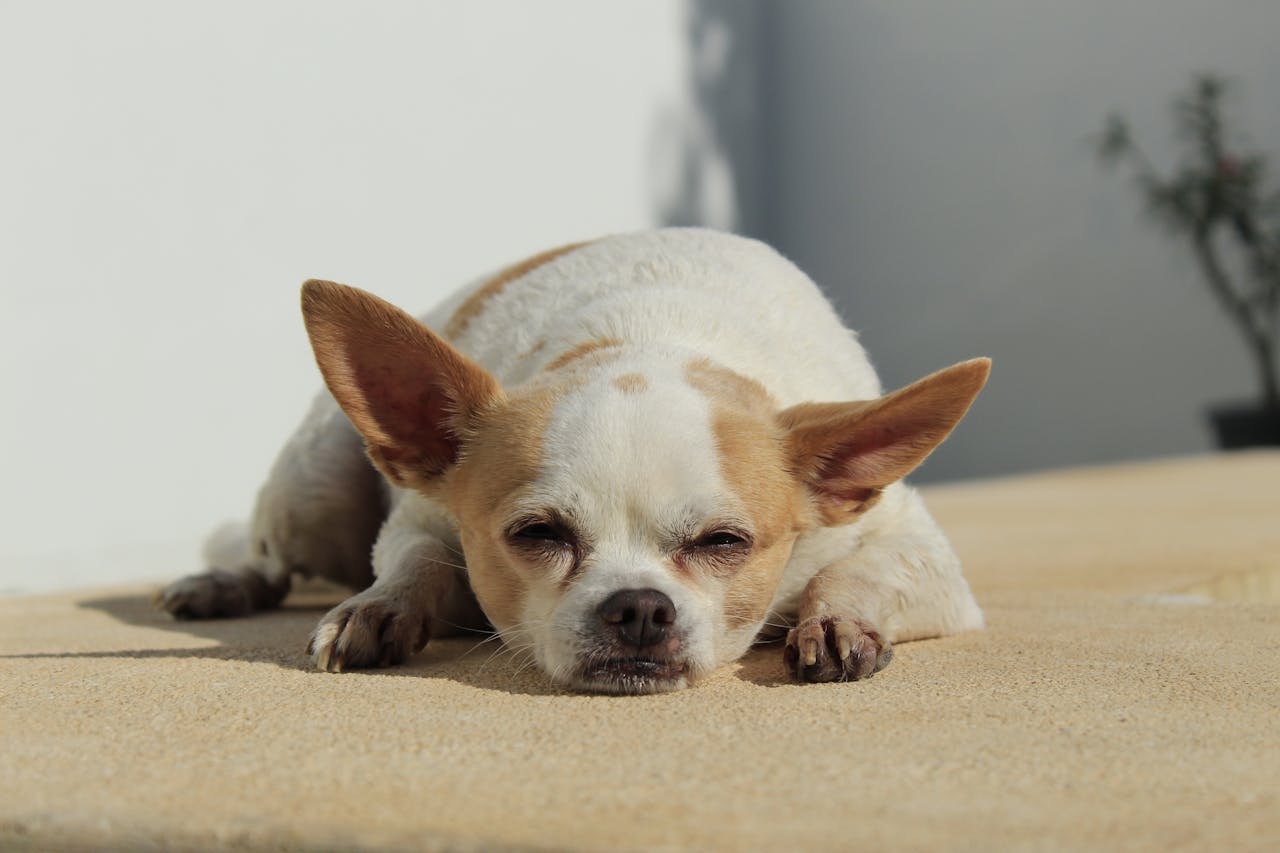
Your Pet Finished Their Food in 30 Seconds. Should You Be Worried?
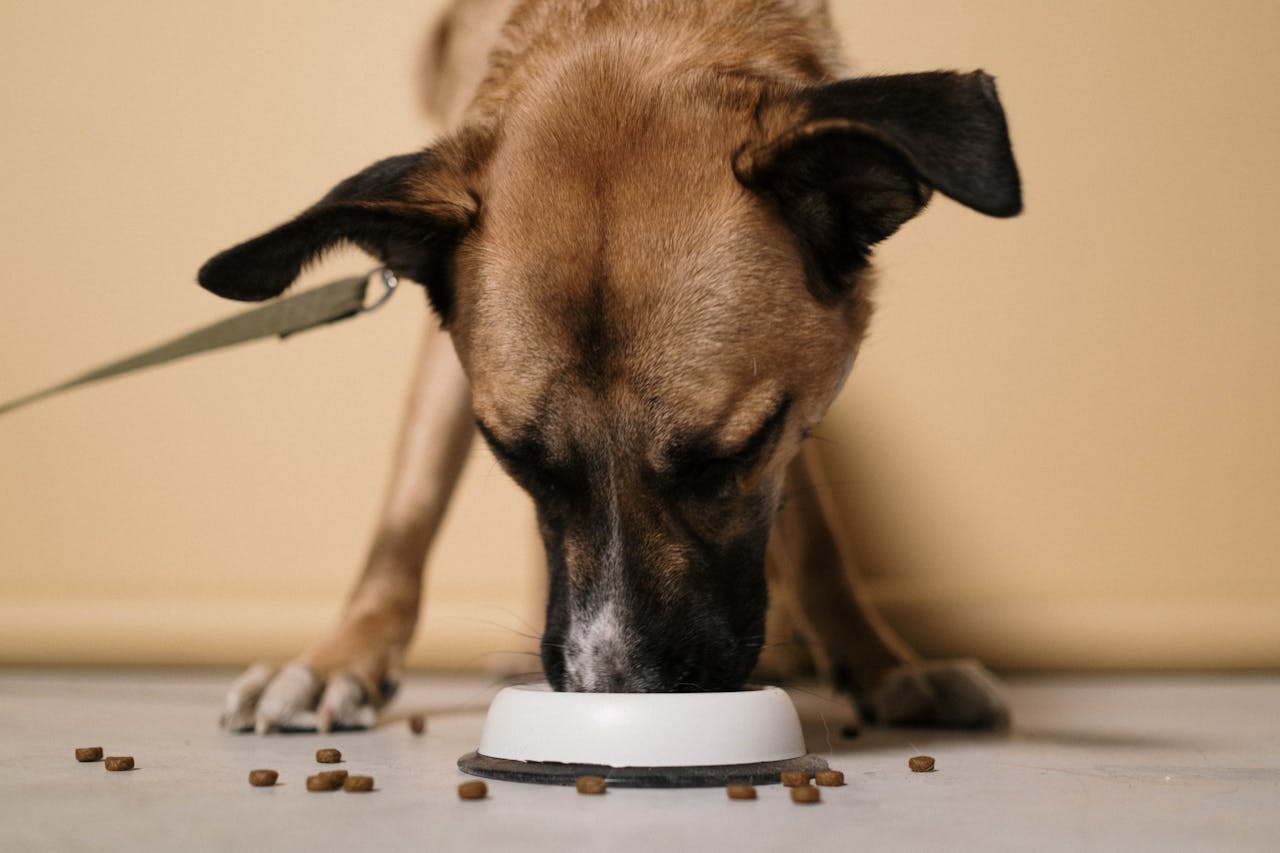
You put the bowl down. You go to wash your hands. You come back. It is over.
Every pet parent knows this moment. The meal that disappeared before you even sat down. The look your dog gives you afterward that says they could absolutely eat that again. The cat who seems completely unbothered and has already moved on to their next nap.
So is it actually a problem? Or is this just how some pets are?
The honest answer is: it depends. Fast eating is very common and often not a crisis. But there are situations where it is worth paying attention to, and a few small changes that make a real difference to how your pet feels after every meal.
First, Why Do Pets Eat So Fast?
Speed at mealtimes is mostly instinct. Dogs are descended from pack animals where food meant competition. Cats are solitary hunters who ate quickly before something else could take their catch. Even though your pet has never once had to compete for a meal, that urgency is still wired into how they approach food.
Some pets are faster than others because of their breed, their history, or just their personality. Dogs who came from shelters or litters where feeding time was competitive often eat faster than dogs who have always had food to themselves. Cats who were strays tend to eat with more urgency than those who have known security their whole lives.
And then some pets are just fast. No particular reason. They are enthusiastic about food and that is who they are.
None of this makes fast eating automatically harmful. But the speed does have physical consequences that are worth knowing about.
When Fast Eating Is Probably Fine
If your pet eats quickly, keeps the food down, seems comfortable after meals, maintains a healthy weight, and shows no signs of distress, then fast eating is likely just a habit rather than a health issue. Plenty of pets eat fast their whole lives with no noticeable problems.
Watch for these signs that things are okay. Your pet finishes their meal and settles calmly afterward. They are not looking for more food immediately or acting like the meal did not happen. Their weight is stable. Their digestion seems normal. They are comfortable and relaxed after eating.
If all of that is true, fast eating is something to be aware of but probably not something to worry about right now.
When It Is Worth Paying Closer Attention
There are some situations where the speed of eating starts to matter more.
Your pet regularly vomits or regurgitates shortly after eating. This is the most common consequence of eating too fast. When food goes in quickly, a lot of air goes in with it. The stomach fills up suddenly and cannot always manage it. The food comes back up, often looking almost unchanged. If this is happening more than occasionally, the eating speed is very likely contributing.
Your pet seems uncomfortable or restless after meals. Bloating, gas, and general gut discomfort are common in fast eaters. If your pet seems unsettled, cannot find a comfortable position, or has a visibly rounded stomach after eating, that is worth noticing.
Your pet is gaining weight without an obvious reason. When food disappears in seconds, the signal that tells the brain the stomach is full does not arrive in time. The meal is over before the body has registered it. Over time this can contribute to overeating and gradual weight gain, especially in less active indoor pets.
Your cat is pawing food out of the bowl, eating only from the centre, or walking away from a half-full bowl. These are signs of whisker fatigue, which often goes hand in hand with fast eating. The bowl shape is causing discomfort and your cat is rushing through the meal to deal with it.
If you are seeing any of these regularly, it is a good idea to speak with your vet. They can check that there is nothing medical going on and help you figure out what your specific pet needs. Fast eating alone is usually not a medical emergency, but the things it leads to can be, so it is always better to have a conversation if you are unsure.
What You Can Actually Do About It
The good news is that this is one of the easier things to address. You do not need to retrain your pet or change their diet. You just need to slow the meal down.
A slow feeder bowl is the simplest and most effective way to do this. Instead of an empty flat surface, the bowl has raised ridges or a pattern inside that your pet has to navigate around to reach the food. The meal takes longer, less air gets swallowed, the stomach fills at a pace it can actually handle, and the fullness signal has time to do its job.
The No Rush Slow Feeder Bowl from Chonky Paws is designed for both cats and dogs. It is wide and shallow so whiskers do not touch the sides, which helps with cats who are fast eaters partly because of bowl discomfort. And the raised pattern inside naturally extends mealtime without any effort on your part. You just fill it the same way you always would.
Beyond the bowl, smaller and more frequent meals help too. If your pet currently eats once or twice a day, splitting the same daily amount into three or four smaller servings reduces the urgency at each meal and the volume hitting the stomach at once.
For dogs, feeding them separately from other pets removes any sense of competition that might be adding to the speed.
The Short Version
Fast eating is common and often not a crisis. But it is not entirely harmless either, and the effects add up over time in ways that affect how comfortable your pet feels after every single meal.
Slowing things down is not complicated. A different bowl, smaller servings, a calmer feeding space. Small changes that happen at every meal, every day, and quietly make a real difference to your pet's wellbeing over time.
If you are in any doubt about what you are seeing, your vet is always the right person to talk to. But for most fast eaters, the fix is simpler than you might think.
The No Rush Slow Feeder Bowl works for both cats and dogs. Same food, slower pace, happier stomach.
Related Posts

Slow Feeder Bowls for Cats: Do They Actually Work?
How to Check Your Dog for Ticks

Is Your Dog Eating Too Fast? 5 Signs to Watch Out For
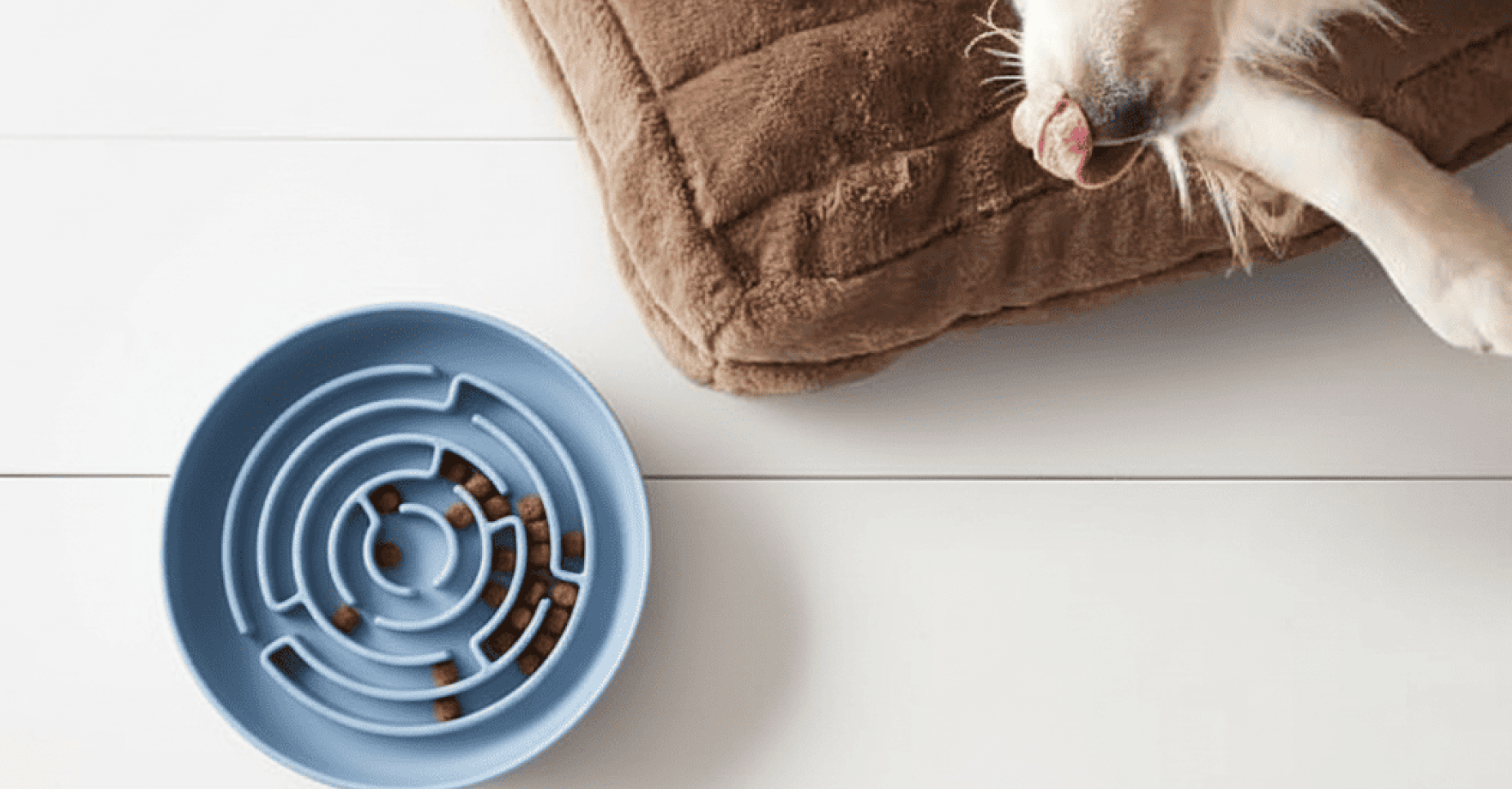
Vet-Approved Ways to Prevent Dog Bloat (GDV) Safely
New Guidelines for Animal Blood Transfusions in India
Clean Home, Happy Pup: Slow Feeders That Cut Mealtime Mess