Why Diwali Is One of the Most Stressful Nights for Dogs in India
If you have a dog, you already know what Diwali night looks like from their side.
The first firecracker goes off and something shifts. Maybe your dog starts pacing. Maybe they press themselves into a corner or push under the bed and will not come out. Maybe they shake. Maybe they bark at everything and nothing. Maybe they just look at you with an expression that is very hard to sit with, because you cannot explain to them what is happening or promise them it will stop soon.
Diwali is one of the most joyful nights of the year for most of us. For a lot of dogs in India, it is genuinely one of the hardest.
Here is what is actually going on, and what you can do to help your dog get through it.
What Your Dog Is Experiencing
Dogs hear differently from humans. Their hearing range is much wider than ours, and they are far more sensitive to sudden, loud sounds. A firecracker that sounds festive to us can be genuinely overwhelming to a dog. It is not that they are being dramatic. Their nervous system is responding to something it is built to treat as a threat.
When a loud, unexpected sound hits, the brain triggers a stress response. Heart rate goes up. Breathing quickens. The body floods with stress hormones and prepares to react. In the wild, this would be useful. For a dog sitting in a flat in Bengaluru on Diwali night, there is nowhere to run, no threat to escape, and no way to make the sounds stop. The stress response fires repeatedly with nowhere to go.
This is why noise anxiety during Diwali is not just nervousness. For many dogs it is closer to a panic state, and it can last for hours.
Signs Your Dog Is Struggling
Some dogs show their distress loudly and some show it quietly. Both need the same amount of attention.
The more obvious signs are barking, howling, pacing, panting heavily, and trying to escape. Some dogs will scratch at doors, jump at windows, or bolt if given the chance. A dog who is usually calm can become completely unmanageable on Diwali night simply because their nervous system is overwhelmed.
The quieter signs are easy to miss if you are not looking for them. Trembling, tucking the tail, hiding in unusual places, refusing to eat, following you from room to room, or simply pressing their body against yours and not moving. A dog who goes very still and wide-eyed is not calm. They are frozen, which is a stress response of its own.
If your dog is showing any of these signs regularly during loud events, speaking with your vet before the next festive season is a good idea. They can help you understand what your dog is experiencing and guide you on the right approach for them specifically.

What Actually Helps
There is no single thing that works for every dog. What helps is usually a combination of environment, comfort, and the right kind of physical support.
Create a safe space before the night starts. Pick a room that has fewer windows, muffles sound better, and feels familiar to your dog. Set it up with their bed, a piece of your clothing that smells like you, their water bowl, and a few of their favourite things. Let them go in and out of it freely in the days before Diwali so it feels like a good place to be, not somewhere they are shut into.
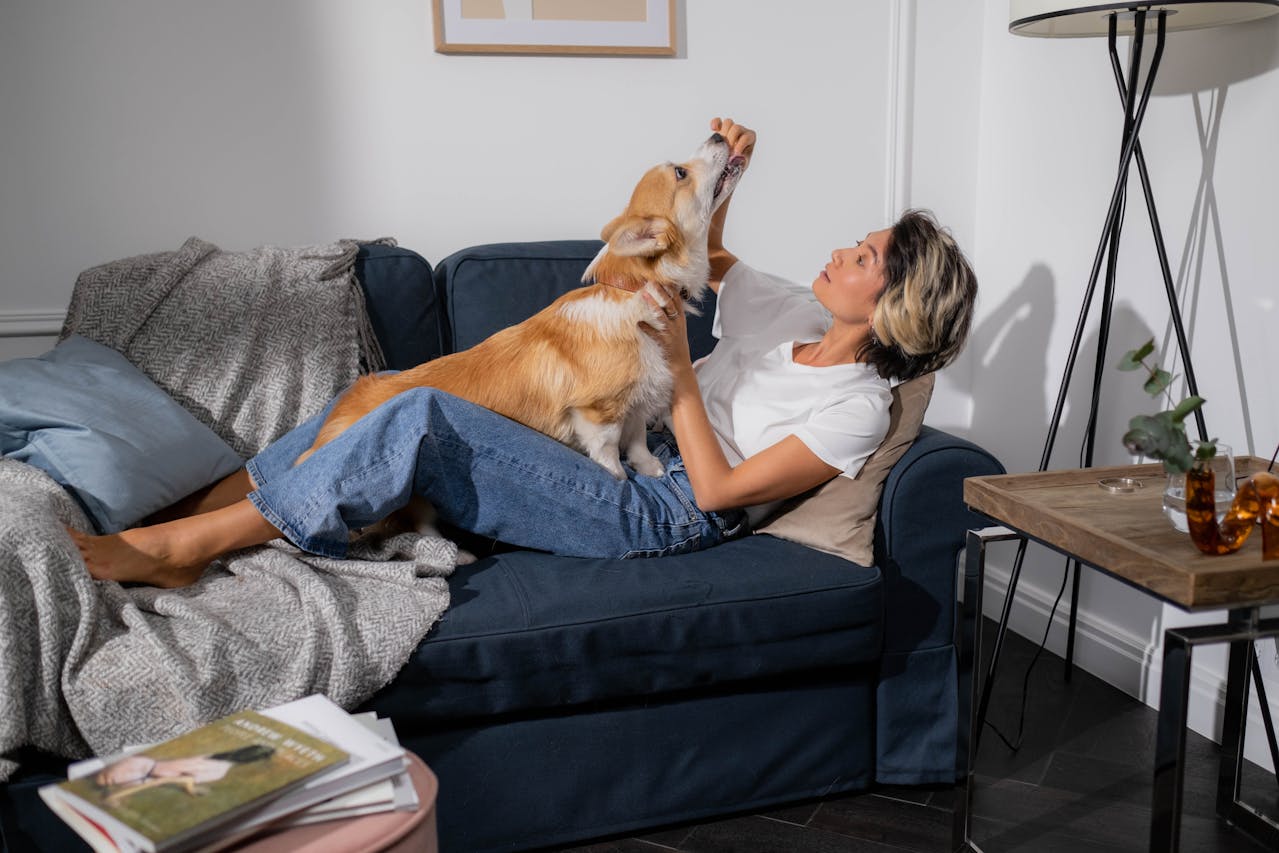
Stay home if you can. Your presence is genuinely calming to your dog. You do not need to hover over them or make a big production of reassuring them. Just being in the same space, speaking normally, and moving around calmly tells your dog that there is nothing to panic about. Your body language communicates more than you realise.
Close windows and draw curtains. Sound reduction and the removal of the visual of firecrackers going off helps more than you might expect. Playing music or keeping the television on at a comfortable volume gives your dog something to anchor to that is familiar and not threatening.
Do not force them to be calm or out of their hiding spot. If your dog has chosen to be under the bed, that is them managing their own anxiety in the way that feels safest. Let them. Dragging them out or trying to convince them everything is fine through physical force does the opposite of what you want.
Use pressure and covering to comfort them. This is something that does not get talked about enough. Gentle, sustained pressure has a calming effect on a dog's nervous system. It is the same principle behind the reason dogs often seek out tight spaces when they are scared, or why being wrapped or held helps. Products that apply light pressure around the body and protect the ears from some of the sound can make a real difference to how a dog experiences a loud night.
This is exactly what we have been working on at Chonky Paws. Our anxiety snood, a hood-style wrap designed for dogs that covers the ears, applies gentle pressure, and keeps your dog feeling held and protected, is coming soon. It is made for nights like Diwali and for any loud event that your dog finds hard. We will have more details very soon, and if you want to know when it launches you can sign up to hear first.
The Days After Matter Too
Something that often gets overlooked is that the stress of Diwali does not necessarily end when the firecrackers do. Some dogs take a day or two to fully settle back into their normal behaviour. They may be clingier than usual, eat less, sleep more, or seem slightly off.
This is normal and usually passes. Keep their routine as consistent as possible in the days after. Familiar mealtimes, familiar walks, familiar sleep spots. Routine is one of the most effective tools you have for helping a dog feel safe after something that shook them.
If your dog seems significantly unwell, is not eating for more than a day or two after, or is showing behaviour that concerns you, check in with your vet.
Caring enough to read this, to understand what your dog goes through on that night, to think about how to make it better for them. That is already the most important thing.
Our anxiety snood for dogs is coming soon. Designed for Diwali, thunderstorms, and every loud night your dog finds hard. Join the waitlist to hear first when it launches.
In the meantime, explore the Chonky Paws range of enrichment products for dogs. Shop now →
Related Posts

What to Do If Your Cat Plays at 2 AM and Won’t Settle Down

Pet Ownership: 10 Surprising Costs of Owning a Pet
How to Tell If Your Dog Is Overheating in Hot Weather : Symptoms and Prevention
How Pets Help Owners Feel Happier and Less Stressed
Why Does My Dog Pee on the Rug? Causes, Solutions, and Cleaning Tips
Why Regular Cat Bowls Can Harm Your Cat’s Health