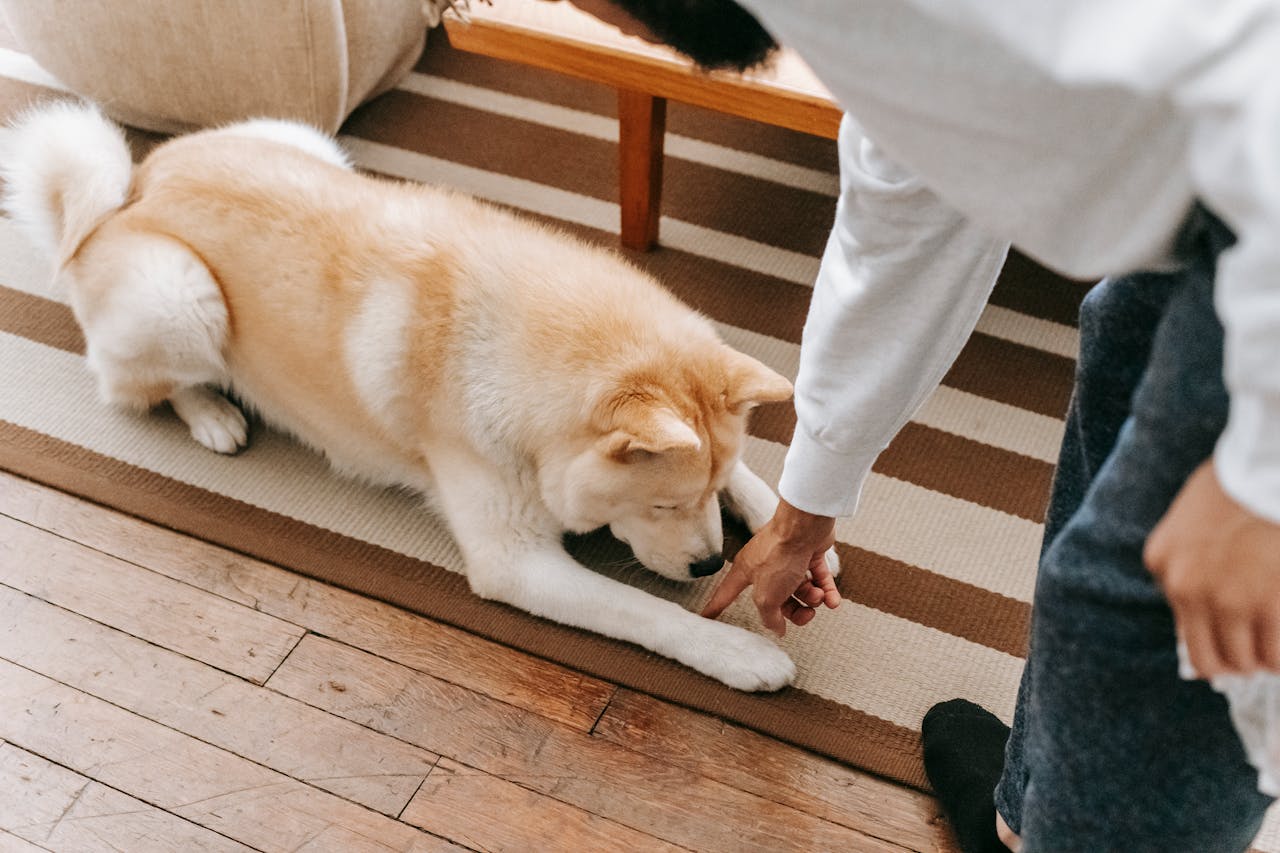
Why Is My Dog Acting Aggressive? The Signs, Triggers, and What You Can Do
Aggression in dogs can feel scary, confusing, and emotionally overwhelming especially when it’s coming from your own beloved pet. But here’s the truth: dog aggression is often a signal, not a personality flaw. It’s a form of communication, and with the right understanding, it can be managed and even improved.
In this guide, we’ll break down the different types of dog aggression, explore the most common triggers, explain the early warning signs, and share supportive pet health tips to help you and your dog build a safer, calmer relationship.
What Is Dog Aggression?
Dog aggression refers to threatening or harmful behavior like growling, snapping, baring teeth, lunging, or biting. It can be directed at humans, other dogs, or animals and it usually stems from fear, stress, confusion, or unmet needs, not “bad behavior.”
What Causes Dog Aggression?
There are many underlying causes. Understanding what causes dog aggression helps you respond with compassion instead of fear:
- Fear or anxiety - Most aggression is fear-based. Your dog is trying to protect themselves when they feel threatened.
- Pain or illness - A sudden change in behavior might point to discomfort, injury, or underlying medical issues.
- Territorial behavior - Dogs may guard spaces, people, or food out of instinct.
- Lack of socialization - Puppies who weren’t properly socialized may become reactive to unfamiliar dogs or people later in life — early kitten and puppy socialization plays a huge role in shaping future behavior.
- Frustration or redirected aggression - When dogs can’t reach a trigger (like another dog behind a fence), they may lash out at whoever is closest.
- Genetics or breed tendencies - Some dogs are more predisposed to certain reactive behaviors, but it doesn’t mean they can’t be trained or calmed.
Signs of Dog Aggression
Early intervention is key. Watch for these common signs of dog aggression:
- Growling, snarling, baring teeth
- Freezing or stiff body posture
- Hard, fixed stare
- Lunging or snapping
- Tail tucked or overly raised
- Ears pinned back
- Avoidance or extreme reactivity in certain situations
1. Visit Your Vet First
Rule out pain or medical issues. Many aggressive behaviors are linked to hidden injuries or dental problems — even subtle signs like respiratory distress can stem from underlying conditions like pet asthma.
2. Avoid Punishment
Punishing an aggressive dog can worsen fear and backfire. Use positive reinforcement techniques only.
3. Work with a Certified Trainer or Behaviorist
Choose professionals who specialize in fear-free, science-based methods.
4. Identify Triggers
Keep a journal of incidents. What sets your dog off? What’s their body language beforehand?
5. Create Safe Spaces
Give your dog a calm area to decompress. Use gates or crates if needed to reduce overstimulation.
6. Manage, Don’t Force
Don’t force your dog into situations they’re not ready for. Respect their signals and build confidence slowly.
7. Mental Enrichment Matters
Add sniffing games, puzzle toys, and gentle interactive play to burn off stress and keep their brain engaged — even simple indoor enrichment activities can make a big difference.
Aggression Doesn’t Mean a Bad Dog
If you’re dealing with an aggressive dog, you’re not alone and you’re not failing. Many dogs show aggression at some point, especially when they’re scared, sick, or misunderstood. With patience, structure, and compassion, things can get better. Even slow feeder bowl can help reduce frustration in mealtime-related aggression.
Remember: every behavior is a message. And every message is a chance to rebuild trust.
Essential Dog First Aid Kit: Must-Have Items for Pet Parents
How to Brush a Cat’s Teeth: A Simple Guide to Cat Dental Care
Related Posts

What to Do If You Find a Lost Dog in India

How to Read a Dog You Have Never Met

Why Diwali Is One of the Most Stressful Nights for Dogs in India

What to Do If Your Cat Plays at 2 AM and Won’t Settle Down

Pet Ownership: 10 Surprising Costs of Owning a Pet
How to Tell If Your Dog Is Overheating in Hot Weather : Symptoms and Prevention
How Pets Help Owners Feel Happier and Less Stressed